The most common home-studio mistake is buying an expensive condenser microphone for an untreated bedroom, then wondering why vocals sound distant and echoey. Your room decides which type of mic will sound good. This guide matches six proven microphones to the room and setup you actually have. Prices were checked on 25 October 2026.
Quick answer
- Quiet room, tight budget: Audio-Technica AT2020 ($119), a condenser.
- Noisy or echoey room: Shure SM58 ($109), a dynamic mic.
- No audio interface yet: Shure MV7+ ($269), USB-C and XLR.
- Best sound in a quiet room: RØDE NT1 5th Gen ($228 with shock mount and pop filter).
- Rap, broadcast vocals, untreated room, bigger budget: Shure SM7B ($439), with enough clean gain.
All six compared
| Mic | Type | Connects by | Best room or situation | Price |
|---|---|---|---|---|
| Audio-Technica AT2020 | Condenser | XLR (needs 48V) | Quiet, treated room | $119 |
| RØDE NT1 5th Gen | Condenser | XLR + USB-C | Quiet room, best detail | $228 with accessories |
| Shure SM58 | Dynamic | XLR | Noisy or echoey room | $109 |
| Shure SM7B | Dynamic | XLR (needs high gain) | Untreated room, broadcast vocals | $439 |
| Shure MV7+ | Dynamic | USB-C + XLR | No interface yet | $269 |
| Audio-Technica AT2020USB-X | Condenser | USB-C | No interface, quiet room | $169 |
Prices at Sweetwater or the maker's US store on 25 October 2026; they change often.
Condenser or dynamic? Start with your room
Clap your hands once in the spot where you'll record. If you hear a ring or echo, your room is "live".
- Condenser mics (AT2020, NT1) are sensitive and detailed. In a quiet room with soft furnishings they capture an airy, professional vocal. In a bare, echoey room they capture the echo too, and you can't remove it later.
- Dynamic mics (SM58, SM7B, MV7+) are less sensitive and are sung into closely, so they pick up much less of the room, the computer fan and the street. That's why rappers, podcasters and people in untreated bedrooms often sound better on a dynamic.
Rule of thumb: untreated room = dynamic; quiet, treated room = condenser. A wardrobe full of clothes, a duvet behind you or a rug on the floor already helps a condenser a lot.
USB or XLR?
- USB mics (MV7+, AT2020USB-X) plug straight into your computer. Simplest setup, one cable.
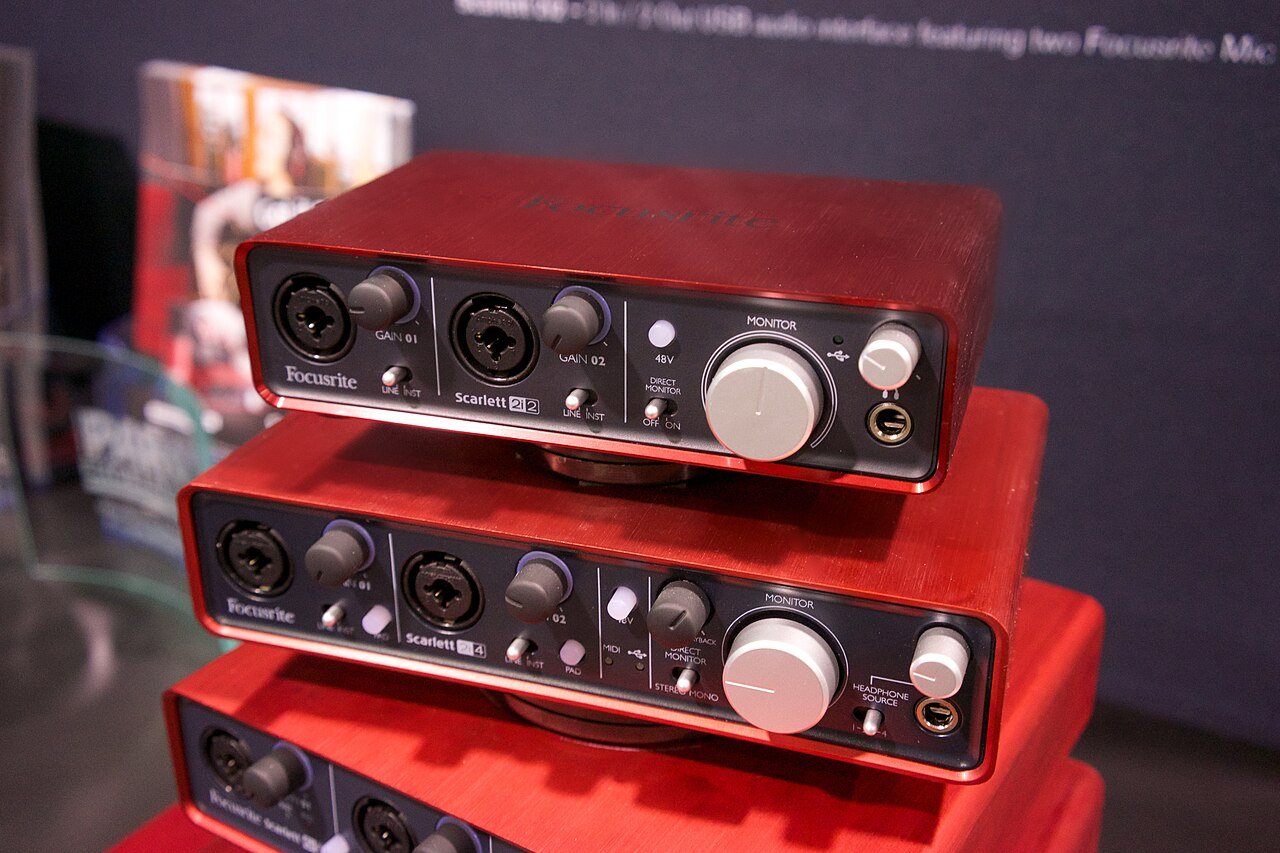
- XLR mics (AT2020, SM58, SM7B) need an audio interface. More setup, but you can record two mics at once, upgrade the mic later and use better preamps.
- Both (MV7+, NT1 5th Gen): start on USB, move to an interface later without buying a new mic.
The six mics in detail
Audio-Technica AT2020: best budget condenser
A cardioid condenser with a 20 Hz to 20 kHz range for $119. It needs 48V phantom power, which every common audio interface provides. Great for singing and acoustic guitar in a quiet room.
RØDE NT1 5th Generation: best condenser upgrade
RØDE quotes a self-noise of just 4 dBA, so quiet singing stays clean. It has both XLR and USB-C outputs, and over USB it records 32-bit float, which makes it very hard to clip. The $228 package includes a shock mount and pop filter.
Shure SM58: best for untreated rooms
The world's most familiar vocal mic, a cardioid dynamic with a built-in pop filter and a 50 Hz to 15 kHz response tailored to vocals. It forgives noisy rooms and loud singers. At $109 it is also the cheapest pick.
Shure SM7B: best premium dynamic
Smooth, close and excellent at ignoring the room, with bass roll-off and presence-boost switches. Its output is low (-59 dBV/Pa, or 1.12 mV, on Shure's spec sheet), so budget interfaces may run out of clean gain; many owners add an inline gain booster. Budget for that before buying.
Shure MV7+: best USB mic
A dynamic mic with USB-C, XLR and a headphone jack, recording at 24-bit/48 kHz over USB. The easiest route to a good vocal with no interface, and still useful when you add one.
Audio-Technica AT2020USB-X: best USB condenser
The AT2020 idea in a USB-C mic, recording up to 24-bit/96 kHz, with a headphone jack and volume control. Treat your room as you would for any condenser.
What else you need
- XLR mics: an audio interface with a mic preamp (and 48V for condensers), an XLR cable and a mic stand.
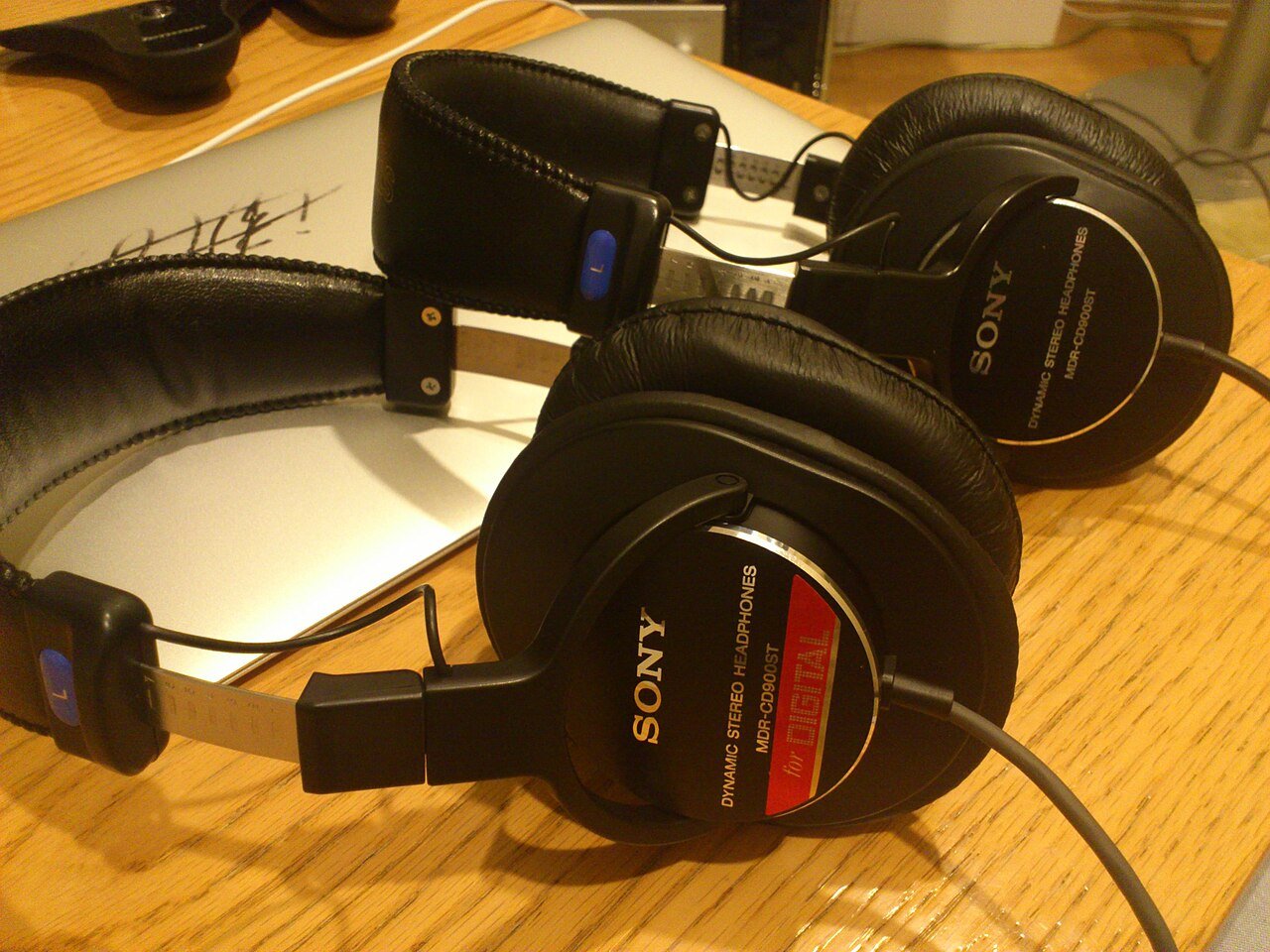
- All mics: a pop filter or foam for vocals, and closed-back headphones so the beat doesn't leak into the mic. See our headphone picks.
- Planning the whole setup? Read bedroom studio on a budget.
Five tips for a better vocal with any mic
- Sing about a hand's width from a condenser, closer to a dynamic.
- Record away from walls and bare windows; face into the room's softest corner.
- Set input gain so loud lines peak around -10 to -6 dBFS, never clipping.
- Turn off fans and air conditioning while you record.
- Then mix it: our vocal mixing chain works in any DAW.
Questions people ask
What is the best microphone for a home studio?
In a quiet room, a condenser like the Audio-Technica AT2020 gives the most detail for the money. In a noisy or echoey room, a dynamic mic such as the Shure SM58 or SM7B usually sounds better because it picks up less of the room.
Is a USB microphone good enough for music?
Yes for vocals and demos. USB mics like the Shure MV7+ and AT2020USB-X record at studio sample rates. XLR mics with an audio interface are more flexible when you want to record several sources or upgrade later.
Do I need an audio interface for a microphone?
Only for XLR microphones. USB microphones plug straight into your computer. Condenser XLR mics also need 48V phantom power, which almost every audio interface provides.
Why does my vocal sound echoey?
Your room is reflecting sound back into the mic. Use a dynamic mic, sing closer, and add soft surfaces like a duvet, rug or clothes behind and around you.